Streaks, luck, and the idea of being ‘due’
One of the most common myths is that a result is “due” after a run of the opposite outcome. In simple terms, people believe a coin that landed heads several times must land tails next. In fair games, each spin, roll, or draw is independent. The coin does not remember. A roulette wheel that landed red five times still gives the same chance on the next spin as it did before the streak.
Why it matters
Believing you are “due” can nudge you to raise stakes without a sound reason. Hypothetical example: you watch six black results in a row and double your wager on red, thinking the balance must flip. The chance of red on the next spin is unchanged, so your bigger bet carries the same risk as a smaller one.
Machines, wheels, and the myth of patterns
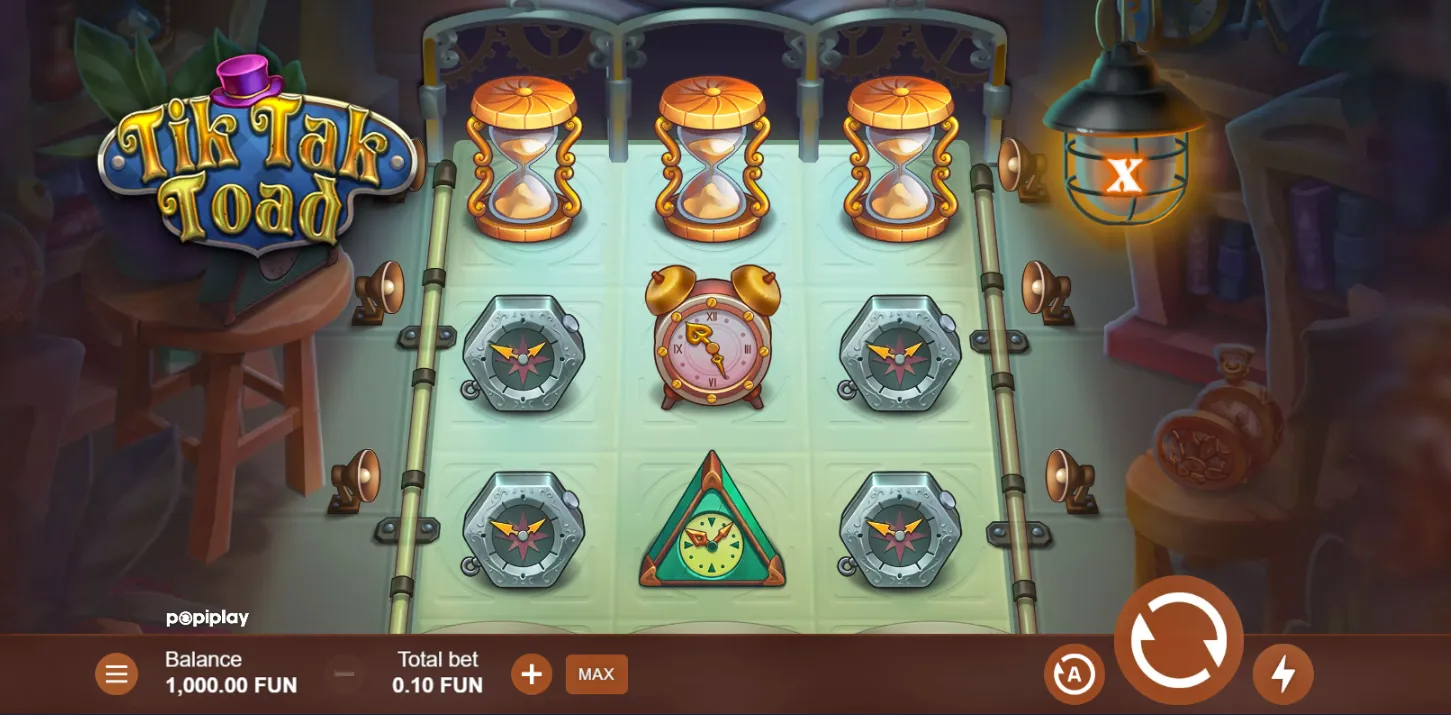
Another myth says slot machines or wheels have rhythms you can learn if you watch long enough. Modern casino devices use randomizing mechanisms. What looks like a pattern is often coincidence or your brain’s habit of connecting dots. Near-misses on slots, where symbols almost align, are designed to be engaging but do not signal an upcoming win.
Spotting false patterns
People often track short stretches of results and treat them as rules. A short sequence is not a reliable sample. Hypothetical example: seeing several low numbers on roulette does not make high numbers more likely; it only reflects what happened, not what must happen.
Betting systems and the promise to beat the house
Systems that raise or lower stakes after wins or losses sound clever, but they do not change the underlying odds or the house edge. A method like doubling after each loss can run into table limits or a budget wall long before a single win recovers everything. The math that creates the edge works over time, not only in single bets.
- Progression systems can grow bets quickly, risking large losses in short bursts.
- Flat betting keeps stake size steady but still faces the same edge.
- Stopping after a win changes the session length, not the odds of each bet.
- Set a spending limit before you play.
- Choose games you enjoy, not ones “a system” tells you to pick.
- Take breaks so short swings do not push you into chasing losses.
Skill, chance, and knowing the house edge
Some games include choices that can lower mistakes, but that does not flip the long‑term advantage unless rules allow it and skill is deep and consistent. In most popular games, the house edge stays in place regardless of mood, time of day, or seat selection. Understanding this helps set realistic expectations.
| Myth | Reality | Everyday example |
|---|---|---|
| A long losing run means a big win is coming | Independent events do not have memory | Hypothetical: after ten losses, the next spin has the same chance |
| A system can beat fair odds | Stakes change, but odds and limits remain | Hypothetical: doubling meets the table max before a win arrives |
| Near-miss means “almost hot” | Near-miss is still a loss with no extra force on the next play | Hypothetical: slot reels showing two bonus symbols do not boost the next spin |
If you like to compare sites on your own, here is a neutral external link: Visit the site. Its presence here is not an evaluation of its content.
Practical ways to keep myths in check
Small habits help you separate chance from story. Decide what you are willing to spend before you start, and treat that money as the full cost of the activity. When you notice yourself saying “it’s due” or “this pattern repeats,” pause and name it as a hunch, not a fact. If the hunch still feels strong, lower your stake or step away for a while.
Everyday checkpoints
Try a simple self-test: write down the reason for a bet in one sentence. If the reason is “the wheel owes me” or “the machine is heating up,” you have likely found a myth at work. Rewriting that sentence as “I enjoy this game and accept the risk” keeps expectations grounded.
Conclusion: Myths grow from how our minds seek order in randomness. By checking streak beliefs, pattern hunting, and “can’t-lose” systems, you can keep play clear-headed and budgets intact. Enjoy the games for what they are, and let facts, not folklore, guide your choices.